 D. Bohica
Writing Combat Wounds in LitRPG: Notes From a Retired Army Medic
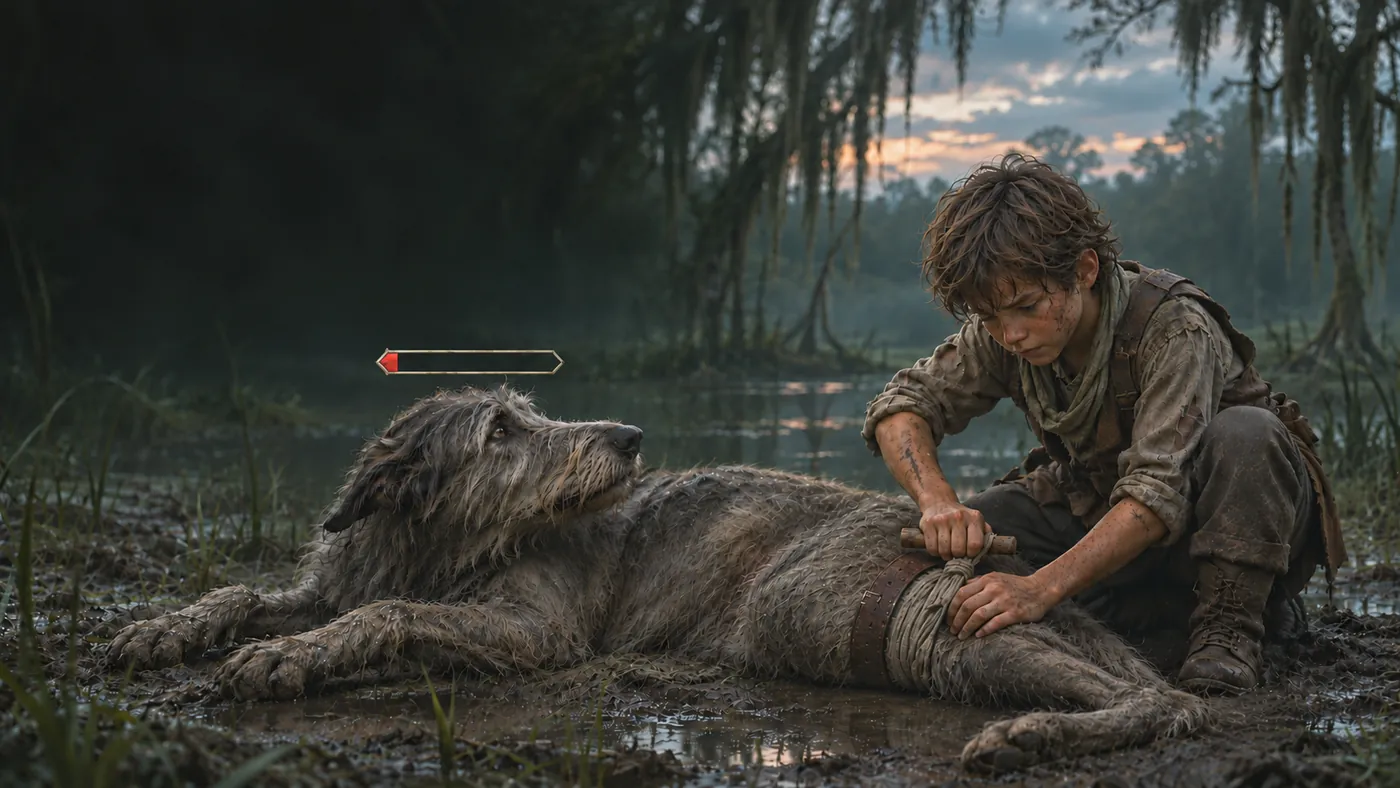
BLUF: if your characters bleed, let the bleeding run on a clock, and give your healers the same order of work a real medic uses. You can keep your health bars and potions. Just stop letting them skip the parts that make a wound matter.
I spent my career as a U.S. Army combat medic, and now I write BIFROST: Drop Zone on Royal Road. I read a lot of LitRPG. Most of the fights are fine. Most of the wounds aren't, and they're cheap to fix.
Blood loss takes minutes
Most combat deaths that could have been prevented come from bleeding out of an arm or leg. A torn femoral artery can empty a man in about three minutes. The hit doesn't kill him. The next few minutes do, if nobody gets a tourniquet on.
So a character who takes a big hit should still be losing health after the enemy is dead. If your Bleeding status ticks for 2 HP a turn and wears off on its own, it isn't bleeding.
Medics work in order
We were trained on TCCC, Tactical Combat Casualty Care, and its order of work is MARCH:
- Massive hemorrhage
- Airway
- Respiration
- Circulation
- Hypothermia and head injury
You check for big bleeds first, every time, even if the guy is screaming about his face. A healer who does that reads like she's trained. One who casts Heal on whatever wound looks worst doesn't.
Under fire and after
TCCC splits care by whether you're still in the fight. Under fire, you get one job: throw a CAT tourniquet high and tight on the limb, right over the uniform, and get back to shooting or get out. Once you're behind cover, you can cut the uniform away, pack the wound with Combat Gauze, check the chest and start fluids. After that, it's keeping him alive on the way to a surgeon.
For a dungeon fight, that means your healer stops the bleed mid-combat and does the real work when the boss is down.
Tourniquets hurt
A tourniquet done right crushes the limb until the bleeding stops, and that hurts more than most wounds. Patients cuss you out, grab at your hands and beg you to loosen it. You don't.
I wrote it into BIFROST the way I was taught it. When Cal's dog Blue gets her hind leg torn open, he does it in order: direct pressure first, then high and tight with a borrowed sleeve and his own belt wound into a windlass:
Twist and turn till the bright red bleeding stops. His hands ran the old cadence without asking him, turning until the red slowed and stopped. He turned it past where it hurt her, because past-where-it-hurts was where it held.
That cadence is a real one. A lot of us had it drilled in until our hands could run it without us.
Chest wounds
A hole in the chest can let air build up around a lung until it collapses and starts squeezing the heart. That's a tension pneumothorax. In the field we fix it with a 14-gauge needle, about three and a quarter inches long, pushed into the chest to let the air out. If you want a healer scene that makes a reader sweat, that's the one.
Shock and cold
A badly hurt man can talk normally for a while. His body holds his blood pressure up until it can't, and then he goes downhill fast: pale, cold, sweaty skin, a fast thready pulse, confusion, thirst. A character saying "I'm fine" with gray lips gives your reader something to worry about before he does.
Wounded people also lose heat fast, and cold blood doesn't clot well. Cold, acid buildup in the blood and poor clotting feed each other, which is why we wrapped casualties in a hypothermia blanket even in August.
Triage
When there are more wounded than medics, you sort them. Some will die soon without help but can be saved, and they go first. Some are badly hurt but can wait. Some can walk. And some you don't have the supplies or time to save, so you move on.
That last call is the hard one. Give your healer five wounded friends and mana for two, and the chapter writes itself around her choice.
After the fight
Hands shake. People throw up, laugh at nothing or go quiet for an hour. During the fight itself, hearing drops out and vision narrows. A medic whose hands were steady under fire can still fumble a bandage wrapper ten minutes later.
In that same chapter, Cal is steady through the whole tourniquet and the drag home. Then this:
Cal field-dressed his own forearm last, and badly, because his hands had run out of steady.
He took care of everyone else first, and his own wound got whatever was left over. Write your medic that way.
Fitting it to a game system
You don't have to give up the System. Just decide what it won't fix. Maybe a health potion closes the hole but doesn't put the blood back, so the character is weak and dizzy until tomorrow. Maybe healing magic costs double on a wound that's still bleeding. Shock, Concussion and Hypothermia can stay on the status bar after HP is full, and a healer class can level from treating in the right order instead of from raw healing done.
If you've got a wound scene you're not sure about, drop me a line and I'll tell you what a medic would actually do. BIFROST: Drop Zone is on Royal Road if you want to see how I handle it.